
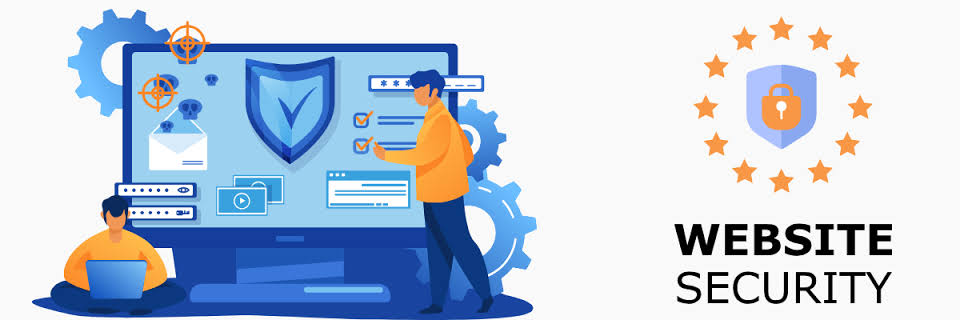
In today’s digital world, a website is often the first point of contact between a business and its customers. Whether it is a company website, e-commerce store, blog, SaaS platform, or online service portal, protecting the website from cyber threats is essential. A security breach can result in data theft, website downtime, loss of customer trust, and financial damage.
What Is Website Security?
Website security refers to the practices, technologies, and processes used to protect a website from unauthorized access, malware, hacking attempts, data theft, and other online threats. It involves securing the website application, server, database, user accounts, and sensitive information.
Website security is not just about installing an SSL certificate. A secure website requires multiple layers of protection working together.
Common Website Security Threats
Websites can face many different types of attacks, including:
1. Malware and Malicious Code
Attackers may inject malicious scripts or files into a website. These can redirect visitors, steal information, display unwanted advertisements, or damage website files.
2. Brute-Force Attacks
Hackers may repeatedly attempt to guess administrator usernames and passwords. Weak passwords and unsecured login pages can make these attacks more successful.
3. SQL Injection
Poorly secured applications can allow attackers to manipulate database queries and potentially access, modify, or delete sensitive information.
4. Cross-Site Scripting (XSS)
XSS attacks can inject malicious scripts into web pages and potentially compromise visitors or steal session information.
5. DDoS Attacks
Distributed Denial-of-Service attacks send large amounts of traffic to a website or server, potentially making the website slow or unavailable.
6. Outdated Software
Old versions of CMS platforms, plugins, themes, frameworks, and server software may contain known security vulnerabilities.
How to Improve Website Security
There are several important steps businesses can take to improve website protection.
Keep Software Updated
Regularly update your CMS, plugins, themes, frameworks, server software, and other components. Security updates often contain fixes for vulnerabilities that attackers may already know about.
Use Strong Passwords and Access Controls
Use unique, complex passwords for administrator and hosting accounts. Enable multi-factor authentication wherever possible and give users only the permissions they actually need.
Install an SSL Certificate
HTTPS encrypts information exchanged between the website and visitors. An SSL/TLS certificate is particularly important for websites handling login credentials, customer information, or payments.
Protect the Server
Website security also depends on the hosting environment. Firewalls, malware scanning, intrusion detection, secure configurations, and regular monitoring can provide additional protection at the server level.
Take Regular Backups
Even with strong security measures, no website is completely immune to attacks. Maintain regular backups so that the website can be restored if files are corrupted, deleted, or compromised.
Monitor Your Website
Security monitoring can help identify suspicious activity, unexpected file changes, failed login attempts, malware, and other potential threats before they become major problems.
Website Security Is an Ongoing Process
Cyber threats continuously evolve, so website security should not be treated as a one-time installation. A website that was secure yesterday may become vulnerable after a new software vulnerability is discovered.
Businesses should regularly review their security configuration, update software, monitor activity, test backups, and review administrator access.
Protect Your Website Before a Problem Occurs
A compromised website can affect more than just your online presence. It can impact your customers, reputation, search visibility, and business operations. Investing in website security proactively is generally far better than trying to recover after a successful attack.
Whether you run a small business website or a large web application, implementing multiple layers of security can significantly reduce your exposure to common online threats.
A secure website builds trust, protects valuable data, and helps keep your business online.



vivisobivo
26/April/2026 14:06Buy
ouhozegit
26/April/2026 13:15Purchase
itapumabu
26/April/2026 03:40choosing